We have been working since 2008
and provide high-quality services
5
Rating based on
reviews from our
customers
Daily from 8:00 to 20:00
We have been working since 2008
and provide high-quality services
5
Rating based on
reviews from our
customers
Daily from 8:00 to 20:00
26 May 2025
Facade installation is a job that is quite difficult to do on your own. To achieve a quality result, you will need experience, knowledge of technologies, and the ability to make calculations. Before ordering such a service from professional companies, many decide which facade is best to do - wet or ventilated. To make the right choice, you need to familiarize yourself with some of the features of their installation and use in advance.
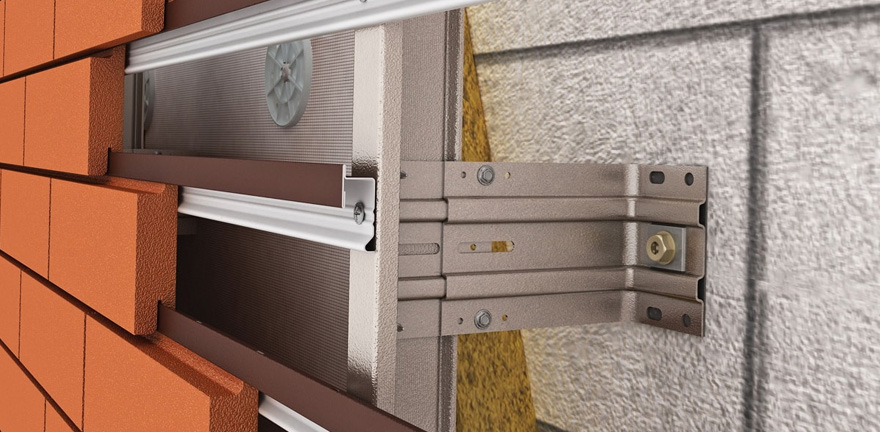
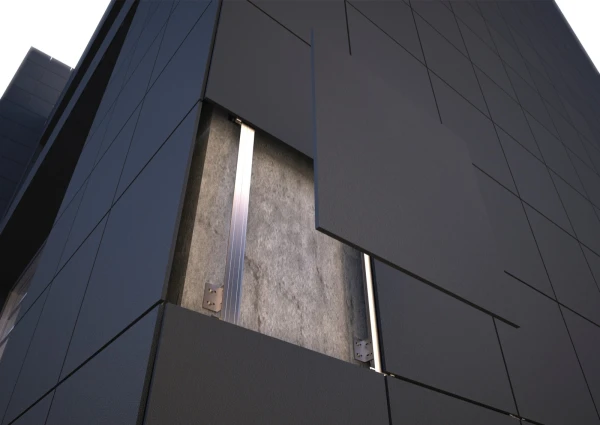
In essence, this is a structure consisting of several layers, which involves external installation. Its advantage is the ability to prevent moisture from penetrating into buildings. Its main components include:
Despite the fact that the installation of such a structure is more expensive than the installation of a wet facade, the invested funds are subsequently recouped by convenient and long-term operation. Ventilated facades perfectly protect the walls of the building from external influences, ensure high-quality heat preservation in the premises, and prevent the proliferation of harmful microorganisms. At the same time, they do not require specialized care and, if the installation technology is followed, will serve for a very long time.
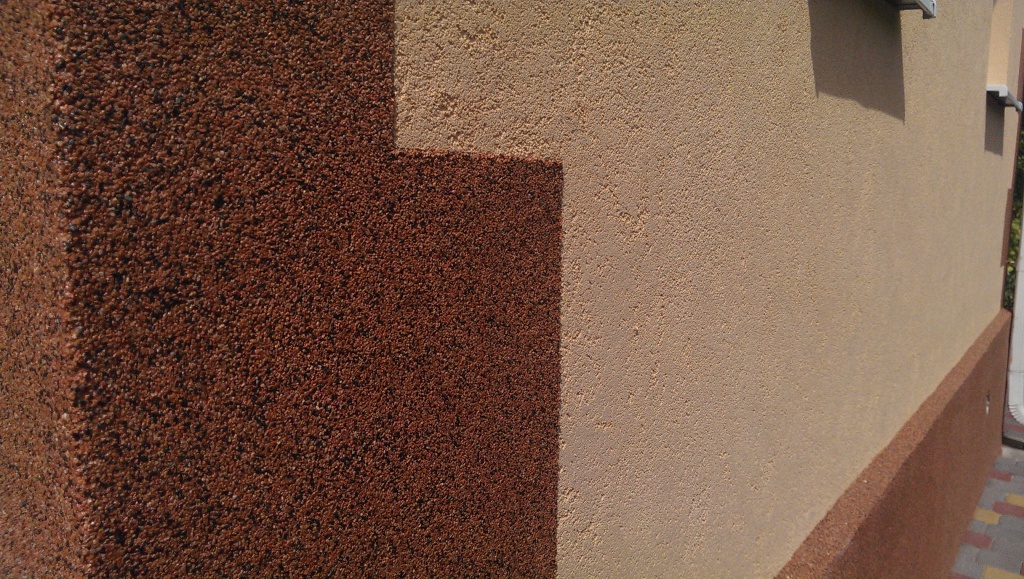
This is a well-known method, which has been used for many decades in the plastering format. Today, the technology for carrying out such work is as follows:
The materials used in the work are the main component of which can be silicate, cement, silicone, acrylic mortar.
From the point of view of design, the plaster is made in a certain texture, has a smooth or textured surface format. A positive aspect of such a facade can be considered the absence of loads on the foundation, simple installation, high performance in terms of sound and vibration insulation. Also important is the affordable cost of the installation service.
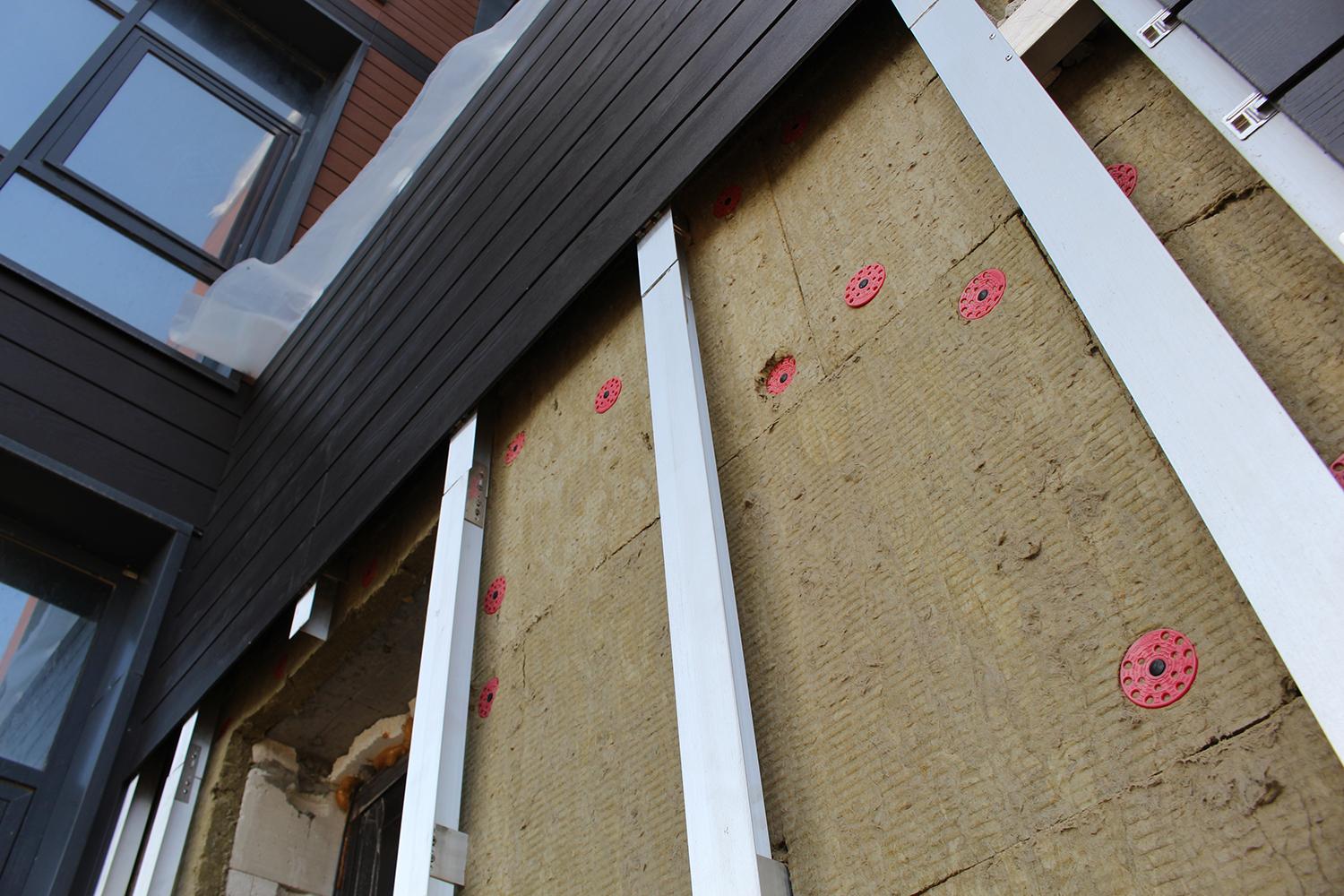
The following characteristics of both formats will help you understand the differences between these two types of facade cladding and draw the right conclusions:
Only the owner of the house decides which facade to choose. In this case, their own preferences, operating characteristics, and financial situation are taken into account.