We have been working since 2008
and provide high-quality services
5
Rating based on
reviews from our
customers
Daily from 8:00 to 20:00
We have been working since 2008
and provide high-quality services
5
Rating based on
reviews from our
customers
Daily from 8:00 to 20:00
.jpg)
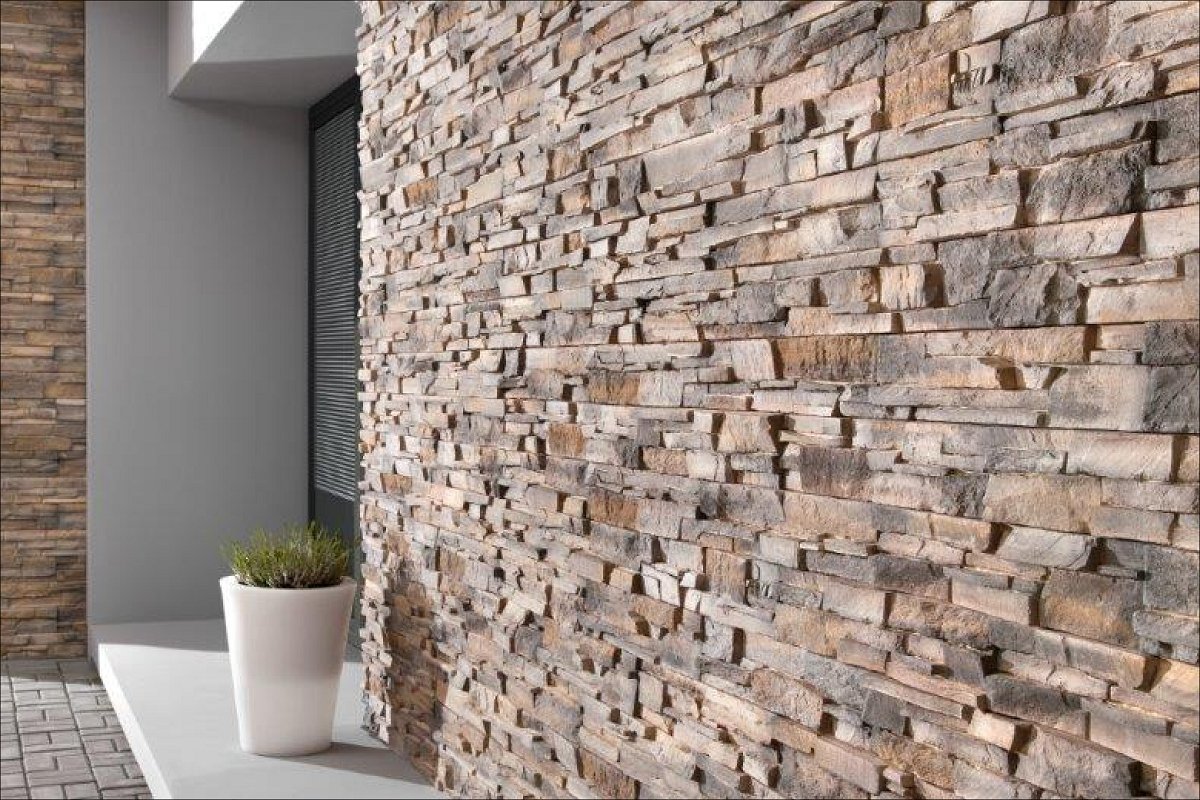
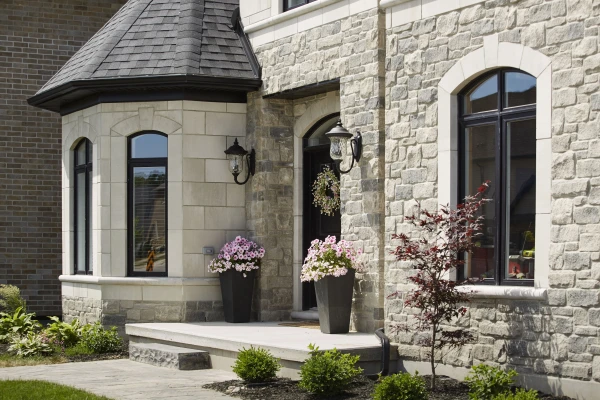
A stone facade always has an aesthetically attractive and respectable appearance. In addition, this format provides extremely effective protective properties for the building. Features of cladding work with this material directly depend on its type, providing for finishing with natural stone or artificial. The latter option is classified as budget, since decorative stone is made on the basis of cement, acrylic resins, porcelain stoneware, clinker. A distinctive feature of such stone cladding is its lighter weight, optimal cost, and simple installation. At the same time, some types of artificial stone can exceed natural stone in strength and durability.
.jpg)
Initially, the surface to be treated should be cleaned of dirt and remnants of the old coating. It is also extremely important to ensure maximum evenness of the facade, using plaster if necessary. In addition, proper surface preparation implies the need to apply a primer.
The choice of substance depends on the type of wall material. For concrete, a composition with a high degree of adhesion, including quartz sand, is recommended. For a strong attachment of tiles to a porous surface, a deep penetration primer is needed.
Further preparatory work for facade cladding includes the following:
The same recommendations apply to interior stone finishing. Before starting installation, it is necessary to make markings in the form of horizontal lines to control the evenness of the row.
.jpg)
The main stages of foundation cladding work are as follows:
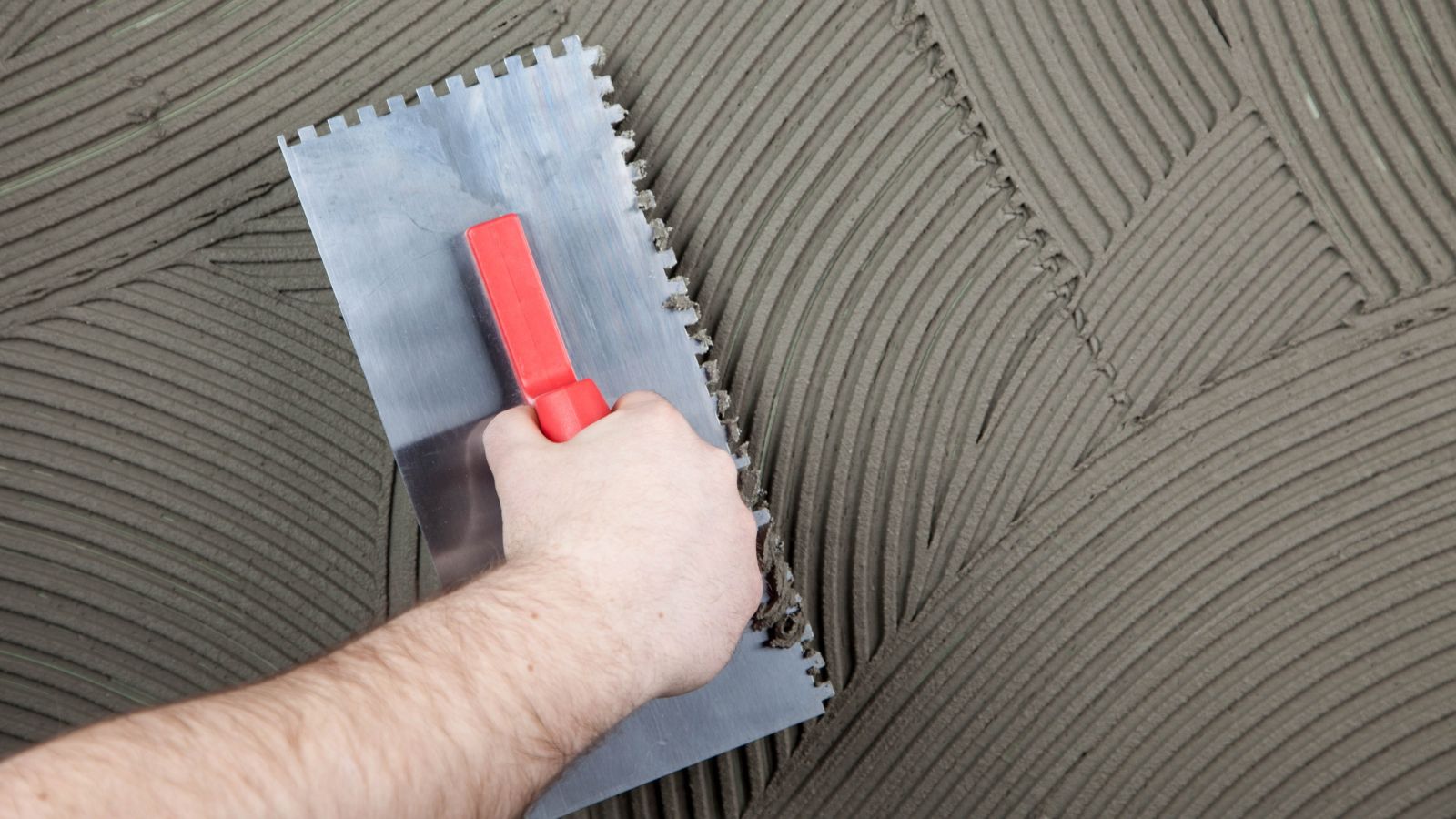
A notched trowel is used for this purpose. The substance is applied either to the base only or to the wall and the back of each tile (double application).
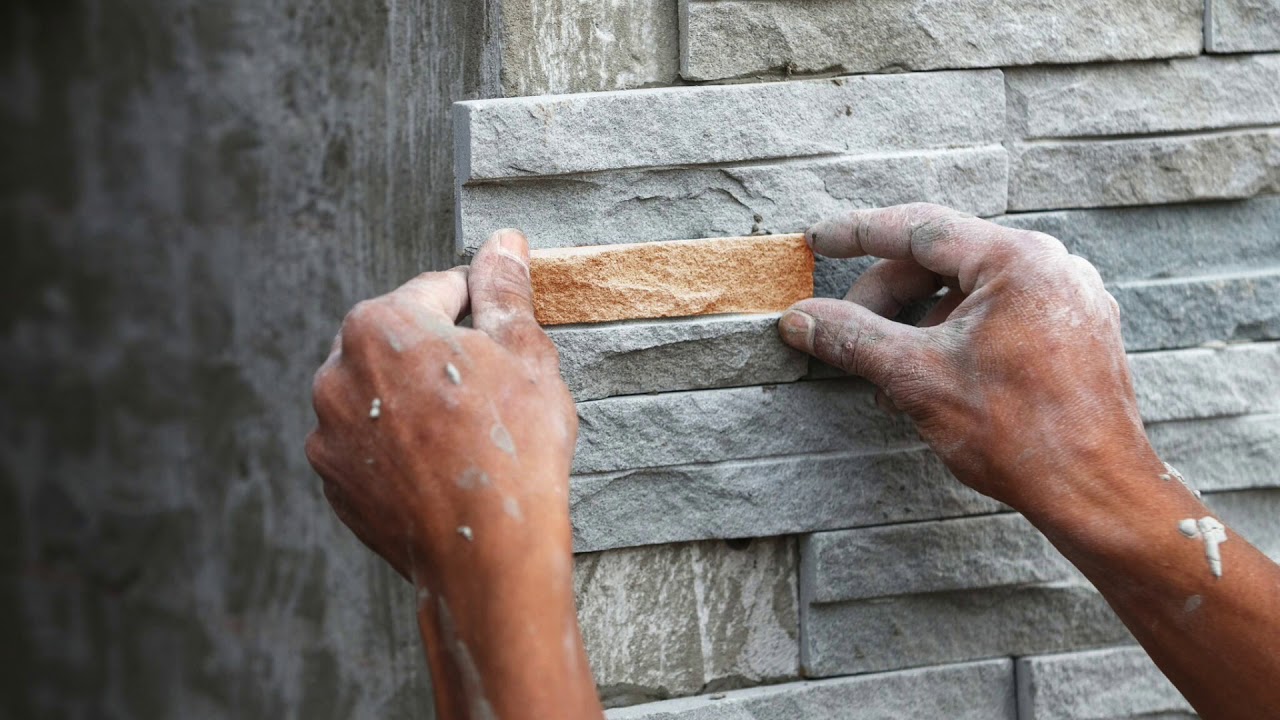
The process starts with corner elements or from the bottom up. The stone is compacted with a rubber mallet, the remaining glue is removed immediately. If seams are planned during installation, then it is necessary to leave a distance of 5-15 mm between the tiles, using special wedges or crosses. Installation without seams requires tight fit of the edges and precise geometry of the material.
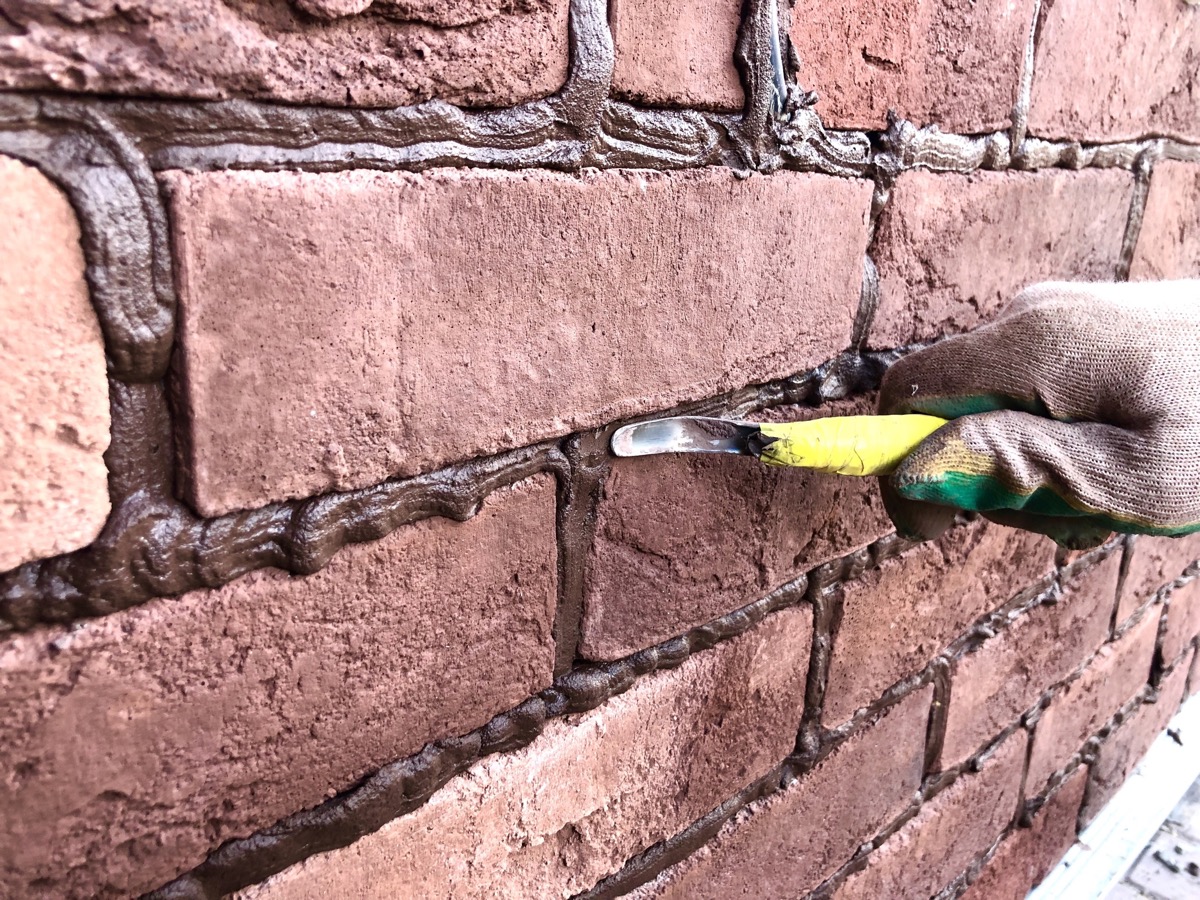
It is carried out 24-72 hours after the installation of the stone, when the glue is completely dry. The seams are first carefully cleaned, then the grout of the desired color is selected and the seam is formed.
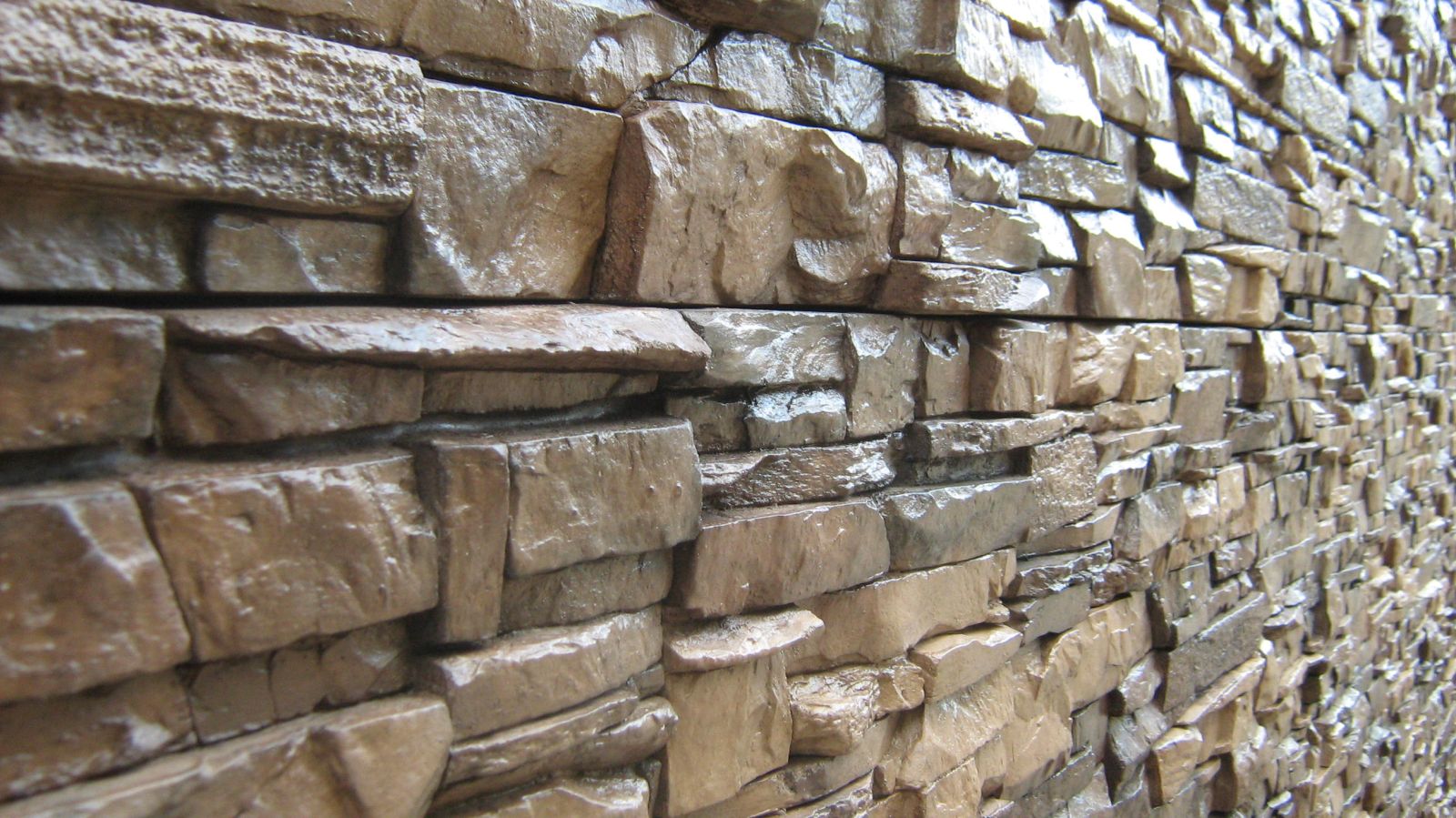
This final stage can be carried out after the grout has completely dried and cleaned. As a rule, work becomes possible after a few days or weeks. For exterior finishing, water-repellent agents that provide a water-repellent effect are ideal. When facing the base, antiseptic impregnation will be appropriate. In interior design with stone, you can use varnishes or impregnations with a wet stone effect to saturate the color and shine.
During the process of facing the walls, mechanical fastening of the tiles may also be necessary. This is especially true for heavy stone for the facade or when installing at height. In such situations, it is recommended to use anchors, hooks or special systems embedded in the wall structure.