We have been working since 2008
and provide high-quality services
5
Rating based on
reviews from our
customers
Daily from 8:00 to 20:00
We have been working since 2008
and provide high-quality services
5
Rating based on
reviews from our
customers
Daily from 8:00 to 20:00
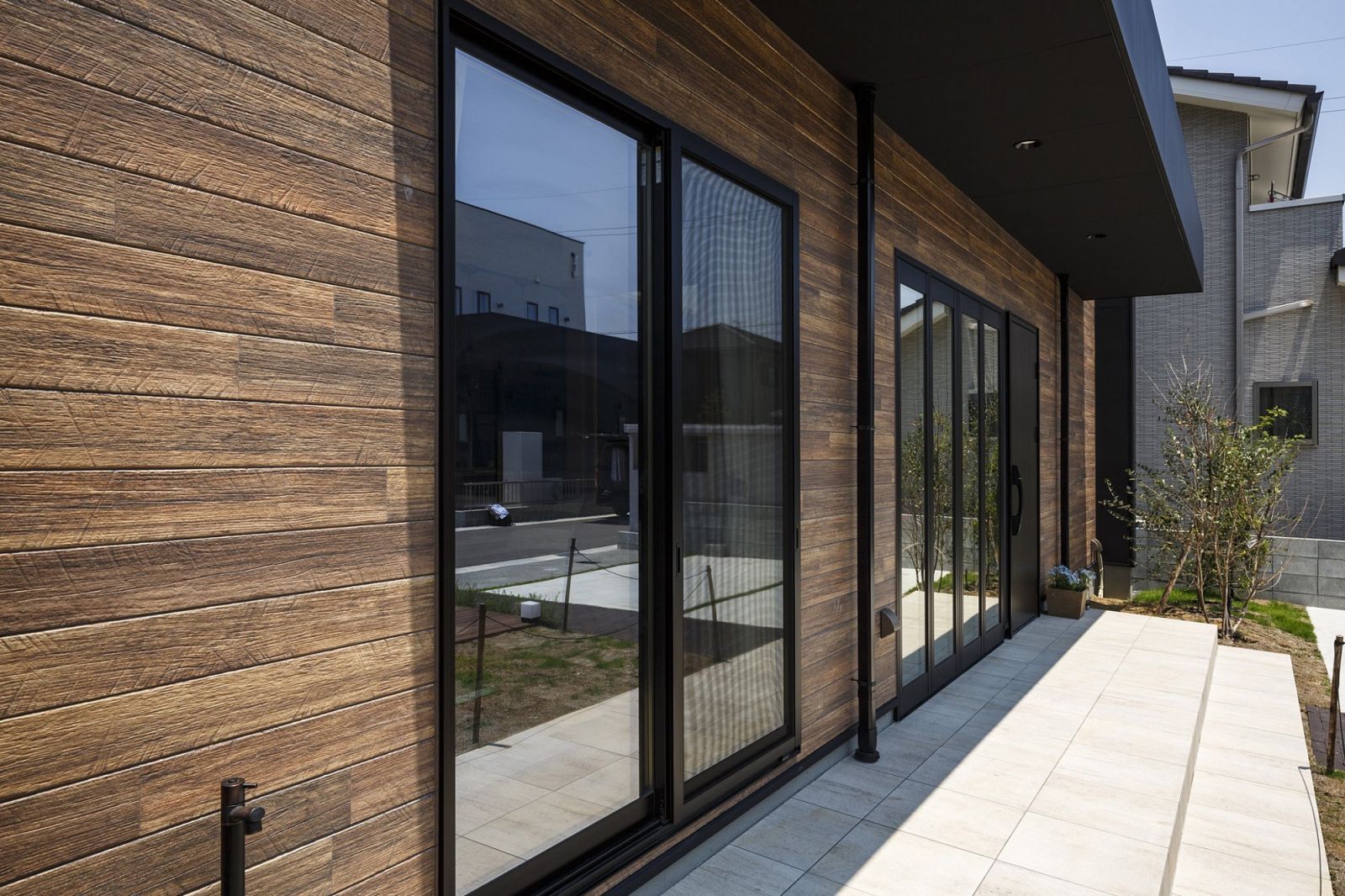
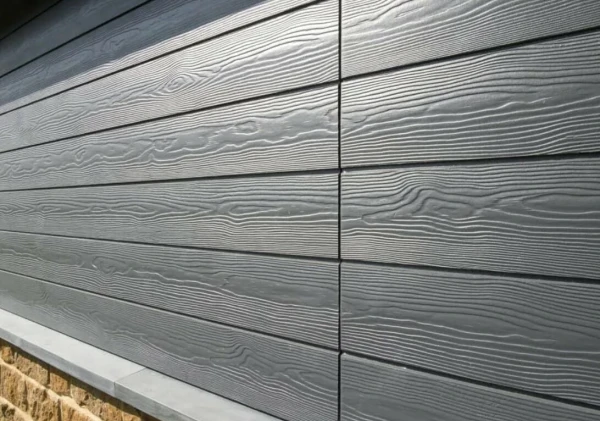
Ventilated facades made of fiber cement can often be seen on modern buildings in large cities. This unique composite material used in installation works contains cellulose fibers, cement and mineral additives. Manufactured in various forms, fiber cement is classified as an artificial stone. It is not subject to external influences, and facade cladding with fiber cement panels lasts for decades without losing its appearance.
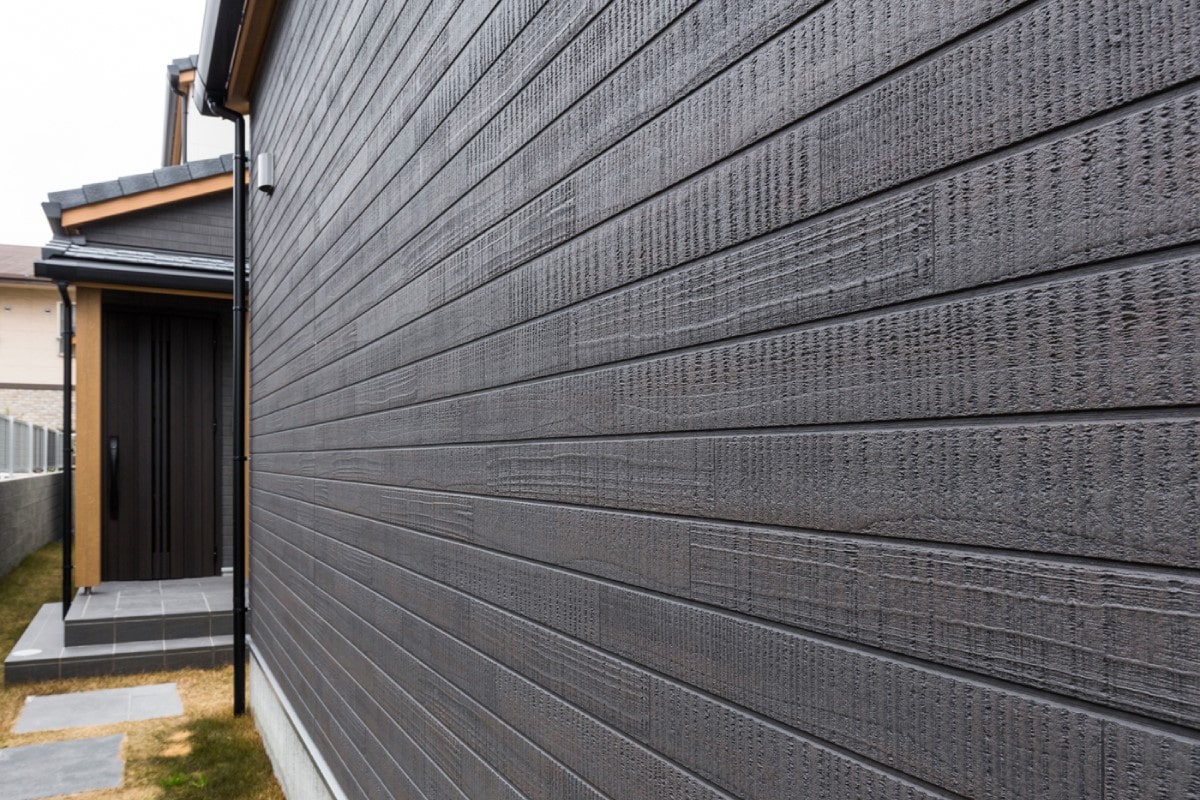
Manufacturers of fiber cement panels, in addition to the main components, can add some other chemical elements to the composition of the products. Due to this, the products become more resistant to operating conditions. In addition, the correct selection of basic components provides the main advantages of fiber cement facade systems:
Outwardly, this material resembles classic siding. Exterior finishing with fiber cement boards implies the possibility of using the material in the form of panels of any size, taking into account the needs of the user and the features of the facility.
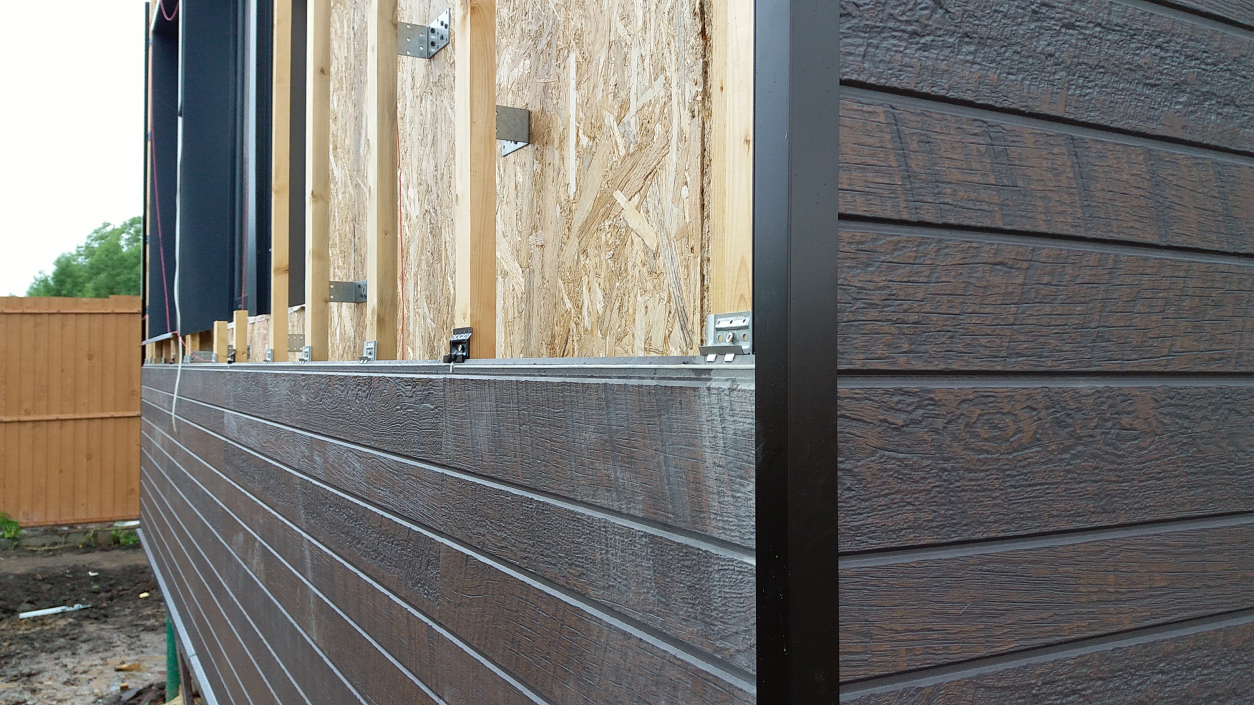
Installation works require a certain sequence and the use of specialized tools. Initially, the design of the facade with fiber cement finishing is thought out. The main and auxiliary material for strong fastening is also selected.
According to the technology of installing fiber cement panels, the products are attached to a special subsystem made of metal or wood. In the first case, the frame is made of galvanized steel or aluminum profile. The elements of the subsystem for installing curtain wall facades made of fiber cement boards are installed with anchors on the brackets to which the profiles are attached.
The next stage is the insulation of the facade with fiber cement cladding. The insulation is supplemented with a waterproofing membrane on the vertical profiles. After this, horizontal bars are installed.
The final stage is the installation of the panels themselves. Clamps are used in the work - special hidden fasteners. They must be installed along the subsystem at a distance of 40 cm using self-tapping screws. The resulting joints between the slabs are filled with a special adhesive that acts as a sealant. Thanks to this, rainwater and other precipitation will not penetrate into the façade system.
It is best to entrust this type of work to experienced professionals. Companies specializing in repairs will help to correctly calculate the amount of material, the cost of installing fiber cement slabs, and determine the specifics of the main stages of implementation.
As a rule, the customer has the opportunity to receive a turnkey façade slab installation service, which is very convenient and saves time. In addition, companies guarantee the quality of work and provide a full range of services in a comfortable mode for the client.