We have been working since 2008
and provide high-quality services
5
Rating based on
reviews from our
customers
Daily from 8:00 to 20:00
We have been working since 2008
and provide high-quality services
5
Rating based on
reviews from our
customers
Daily from 8:00 to 20:00
.jpg)
Insulation of facades is an extremely important stage of construction of any building. The process uses many modern materials with different thermal conductivity rates and different external design. At the same time, insulation of walls with bark beetle or lamb plaster is considered the most practical in terms of labor costs and cost savings. In addition, the finished result has a very attractive appearance.
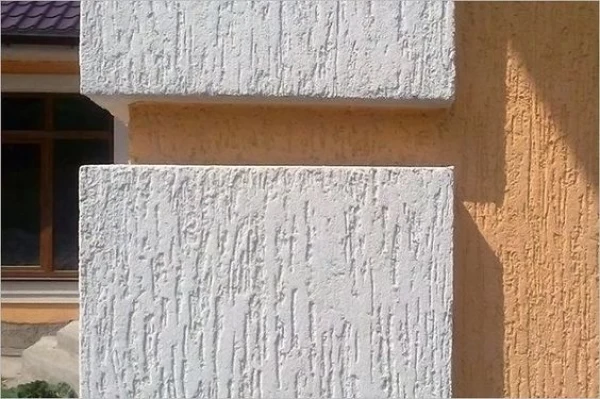
The material got its name due to its original texture. Externally, such a surface becomes similar to the bark of wood eaten by a bark beetle. You can create volumetric lines and grooves in any order and in different sizes, thus obtaining an original pattern.
Bark beetle plaster is sold in the form of a light powder, which includes granules in the form of stones from 0.1 to 3.5 mm in diameter. They allow you to form grooves of a specific depth, while the type of pattern depends only on the master. Using all kinds of grouting methods, he gets the opportunity to form incredible patterns.
Before work, the powder is diluted to obtain a mixture of the required consistency. Buyers have access to decorative plaster in several varieties, depending on the specifics of the composition:
The last two types of material are used for thermal insulation of the facade. Their distinctive feature is the ability to withstand temperature changes ranging from -50 to +60 degrees, resistance to precipitation and exposure to ultraviolet radiation.
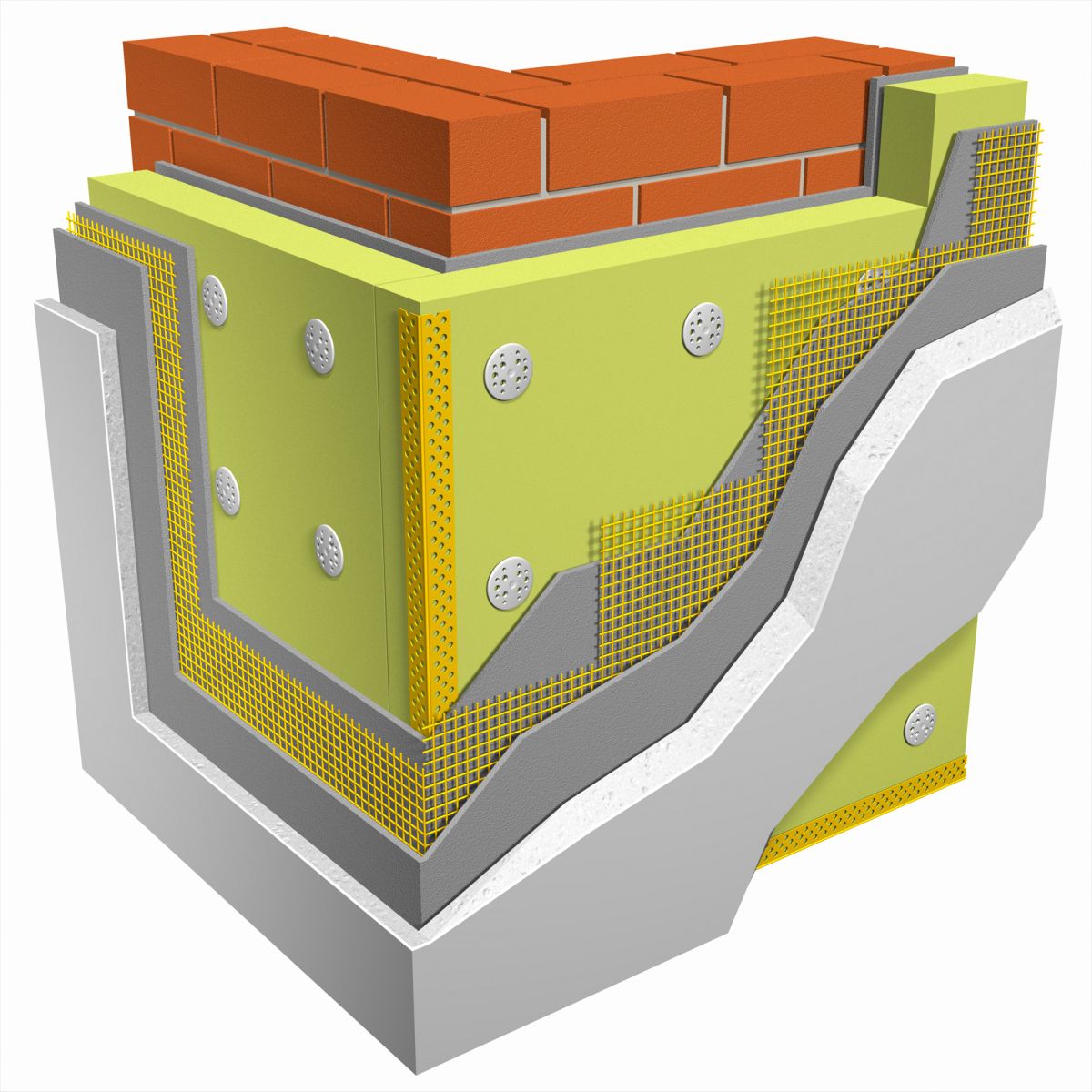
Before starting facade work, it is necessary to prepare the base. To do this, the bark beetle facade is thoroughly cleaned of dust, dirt and debris, and then carefully primed. Further actions are as follows:
The final stage is painting under the bark beetle - a special paint is applied, creating the desired surface texture.
.jpg)
These are two painting techniques that are similar at first glance and allow you to achieve a high-quality decorative effect. However, there are differences between them, which lie in the visual perception and in the methods of carrying out the work.
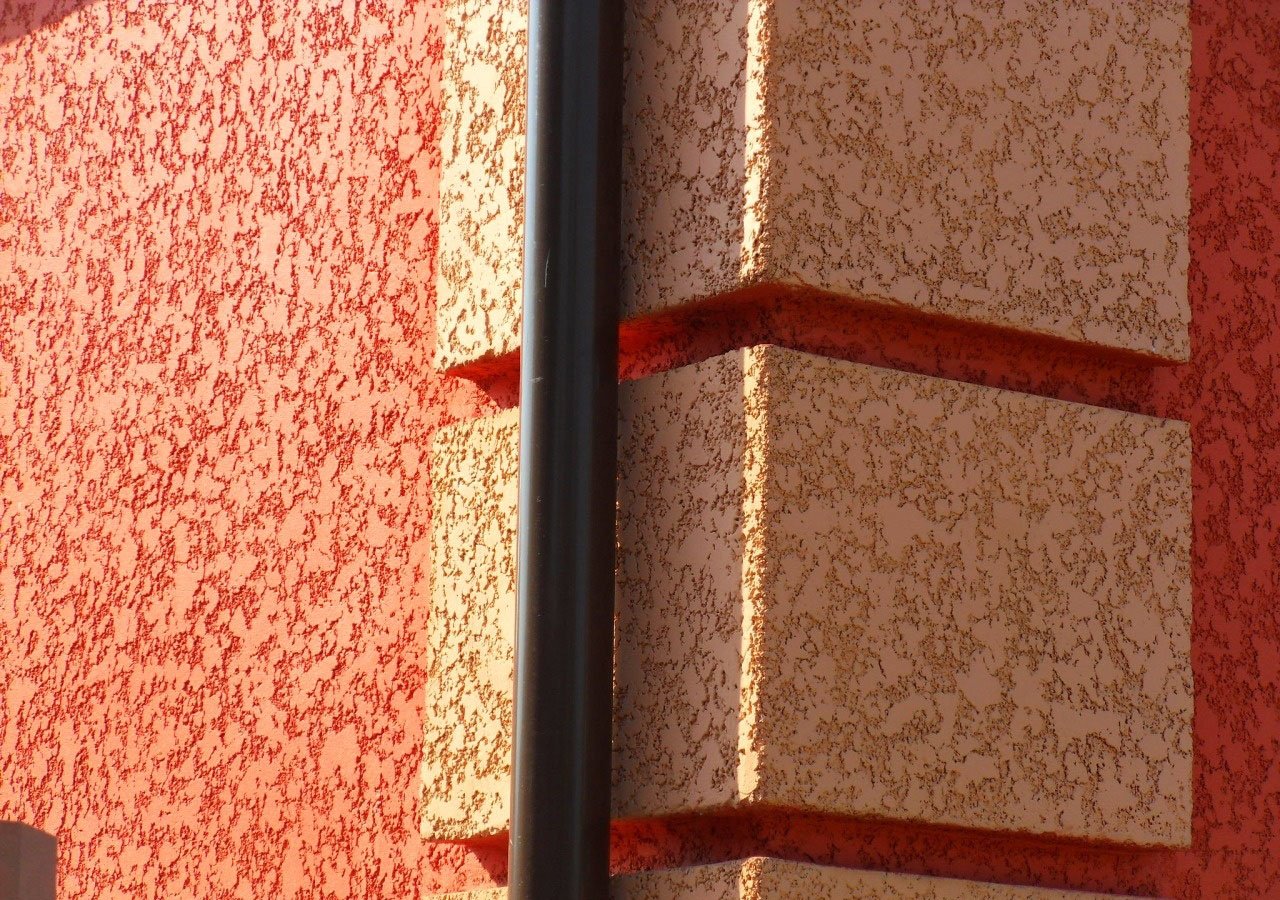
"Lamb" visually represents a wavy-soft surface texture, reminiscent of sheep's wool. "Bark beetle" creates the illusion of wood, which has characteristic grooves and patterns. Externally, such a surface looks more relief and rough.
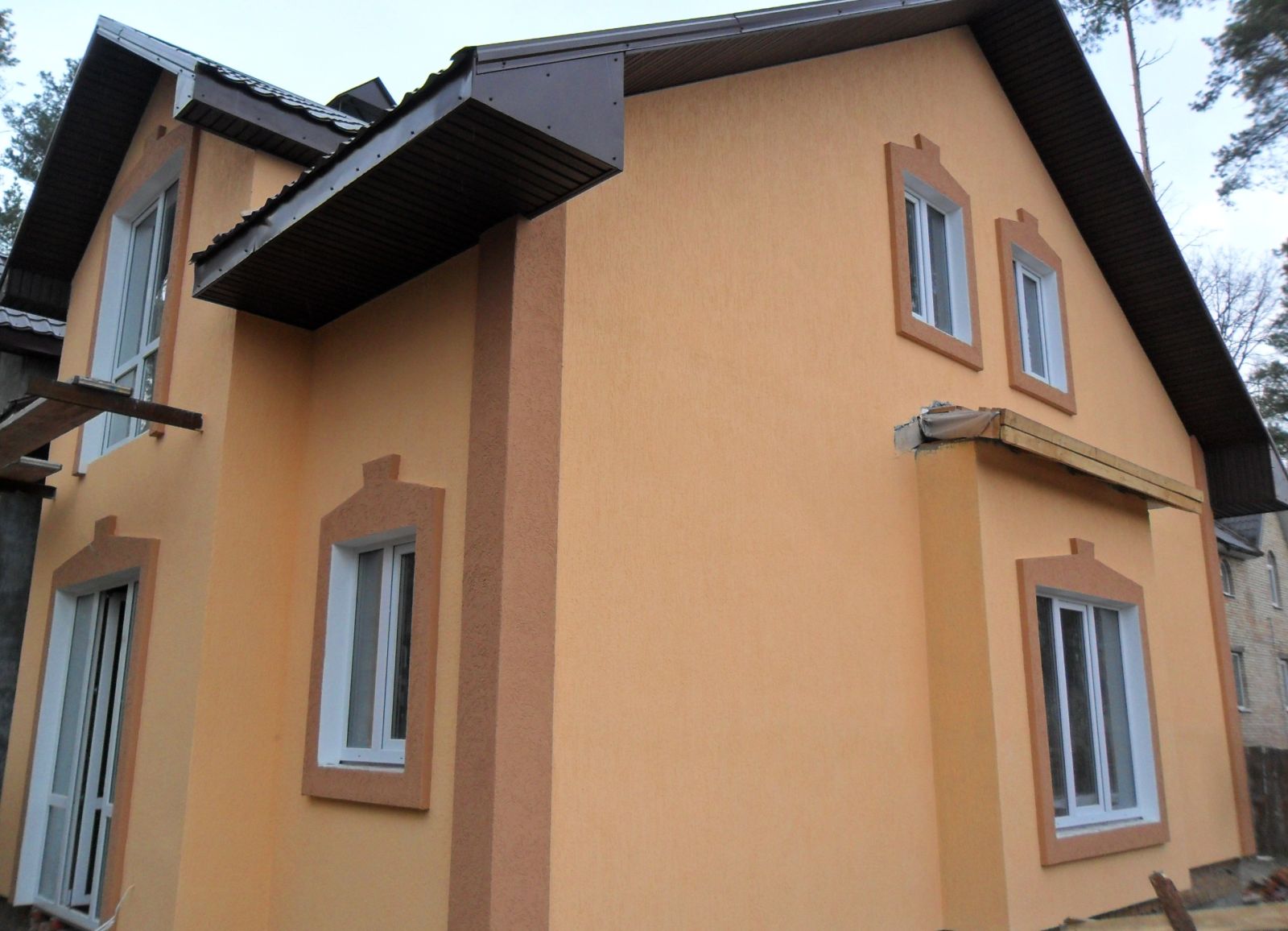
This format of surface treatment belongs to the category of "wet facade". If the rules of the technology are followed, the finished result can last in the range of 15-30 years. Therefore, bark beetle and lamb are in great demand among many residents of private houses and country houses. Other advantages of the "bark beetle" and "lamb" plaster are as follows:
ease of use – even a novice master can cope with plastering. The fungicidal properties of the coating are also noted. Bark beetle plaster does not allow the formation of fungus, mold and other microorganisms throughout the entire period of use.