We have been working since 2008
and provide high-quality services
5
Rating based on
reviews from our
customers
Daily from 8:00 to 20:00
We have been working since 2008
and provide high-quality services
5
Rating based on
reviews from our
customers
Daily from 8:00 to 20:00
12 May 2025
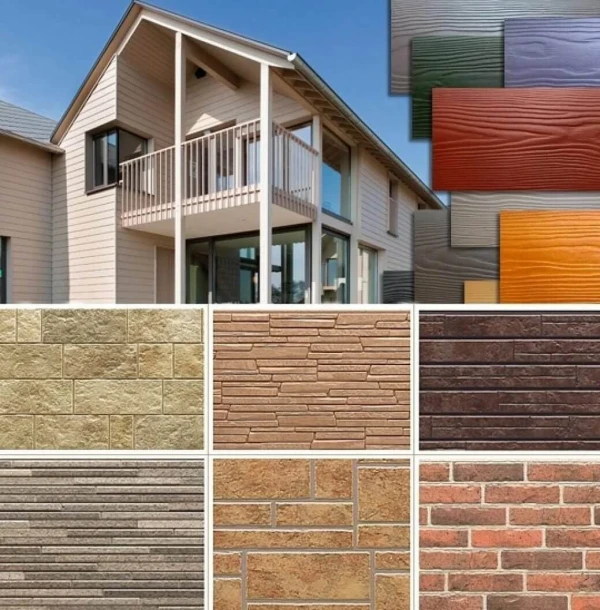
The choice of material for external wall cladding of a building directly depends on what it is built from. In turn, this determines the choice of the method for carrying out work on the arrangement of the facade. For example, experts advise installing a ventilated format on wooden walls to avoid moisture accumulation and rotting.
According to the type of construction, facade systems are divided into the following options:
Both of these options provide the possibility of independent installation - with the appropriate tool and certain practical skills.
Ventilated facade structures can be classified as dry. During installation, special slabs are used, ready for use. The main condition of this format is the mandatory presence of a small distance between the facade slabs and the insulation, which ensures the possibility of air ventilation. As for non-ventilated cladding options, in this case the material is installed directly on the wall surface.
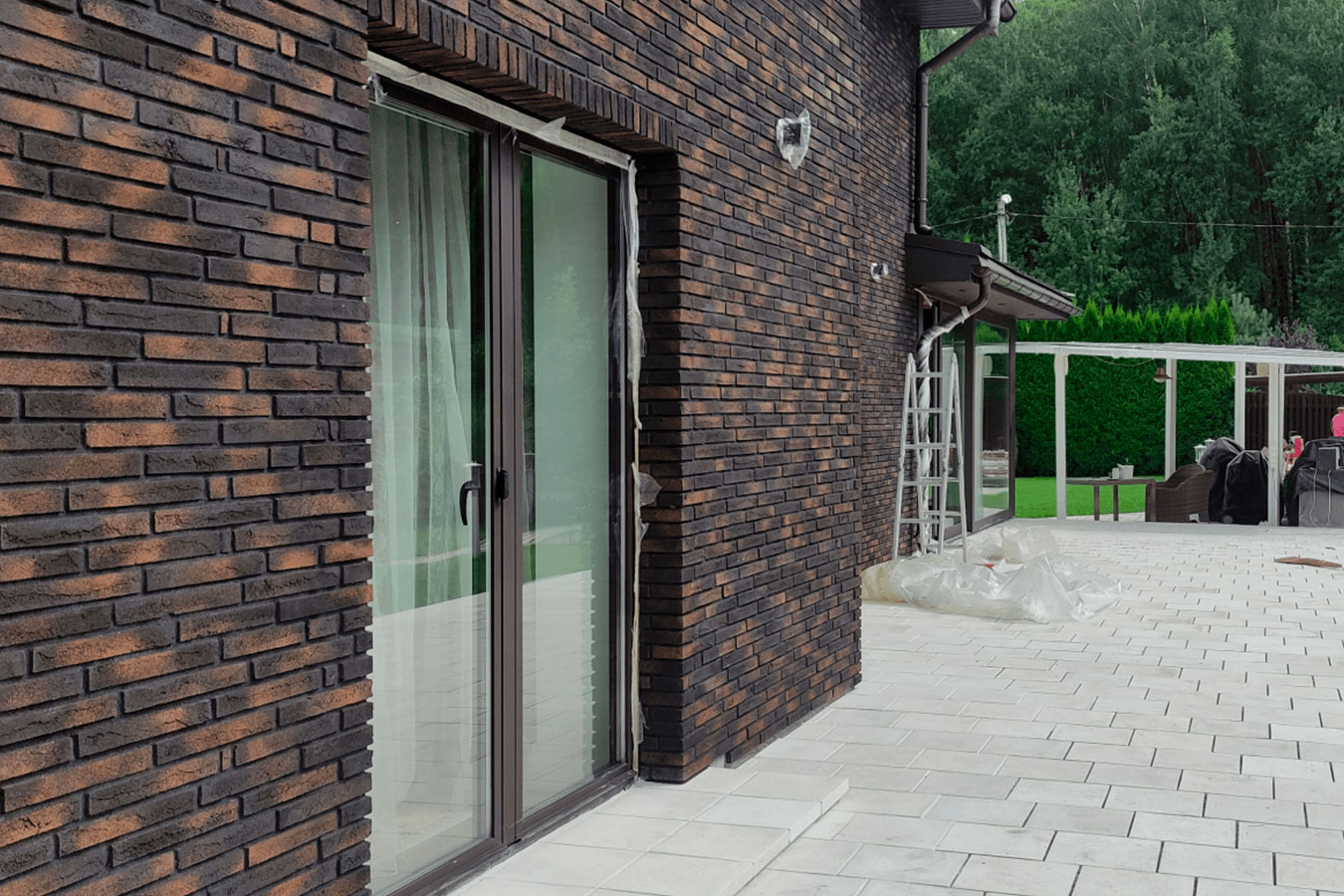
When examining the characteristics of building materials, the emphasis is usually on cost-effectiveness, practicality, safety and external design. Taking into account certain parameters for each of these positions, several types of materials can be separately noted that are most often used in repairs and construction.
Facade tiles
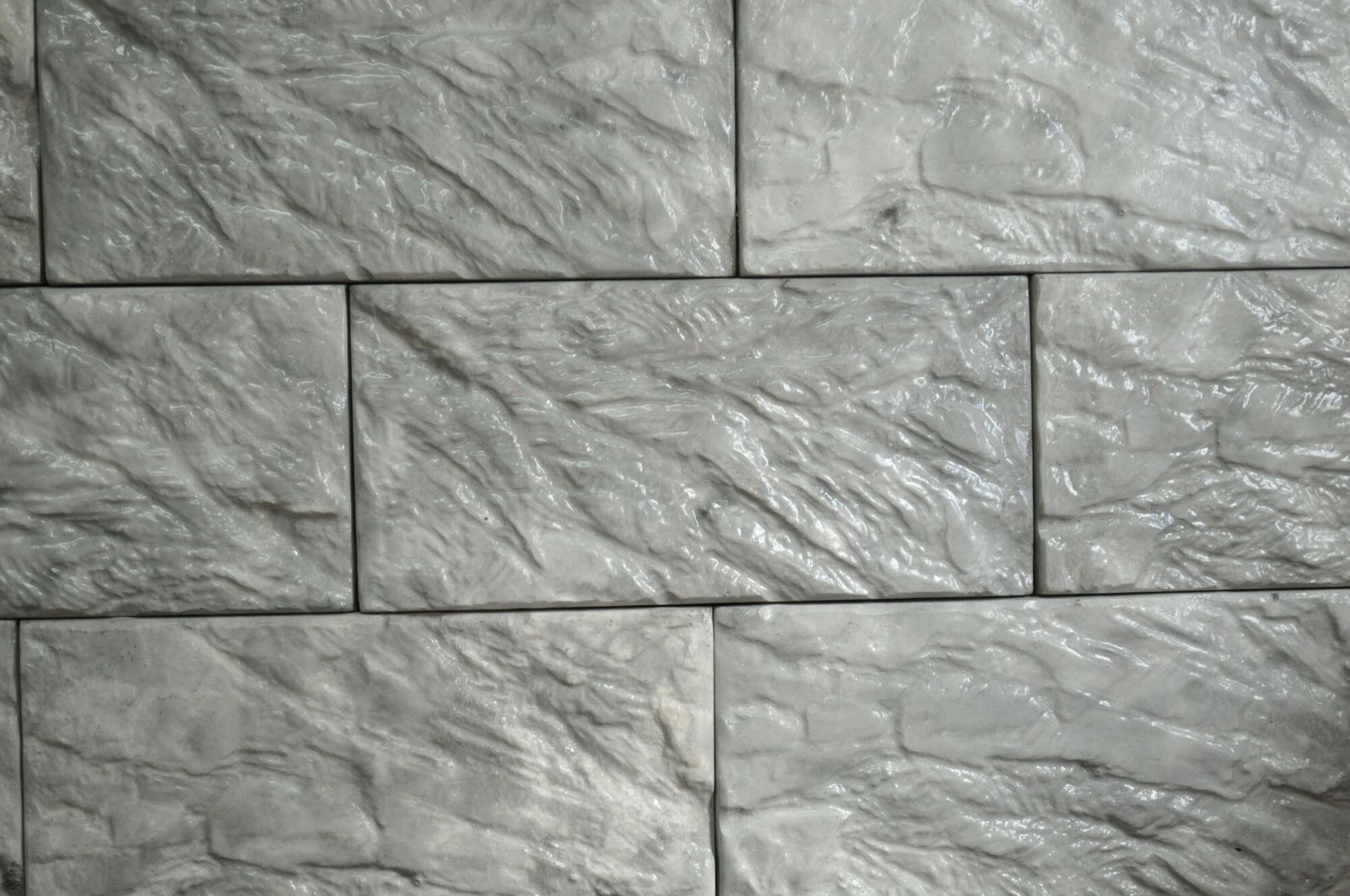
Made on the basis of concrete or ceramics. When compared with traditional tiles, the characteristics note a low level of hygroscopicity due to the low porosity of the surface. Manufacturers offer tiles in a wide variety of shades, sizes, designs, textures.
Plaster
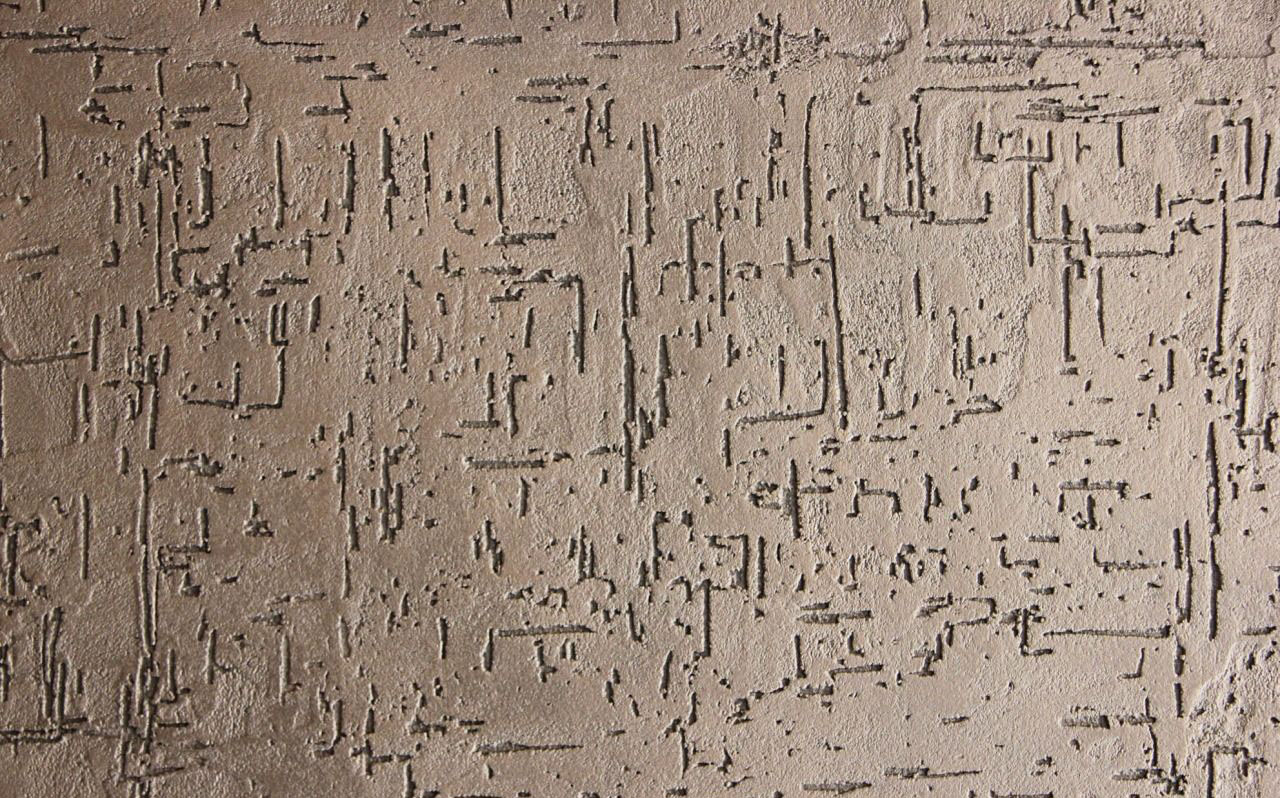
The most budget-friendly way to make an original facade design. The classic option is considered to be plaster with a composition of sand and cement, lime, which is often made independently in compliance with certain proportions. After application and drying of the material, the facades can be painted, acquiring an attractive appearance.
Acrylic plaster is slightly more expensive, the main advantage of which can be called increased strength and long service life of the coating.
Facing brick
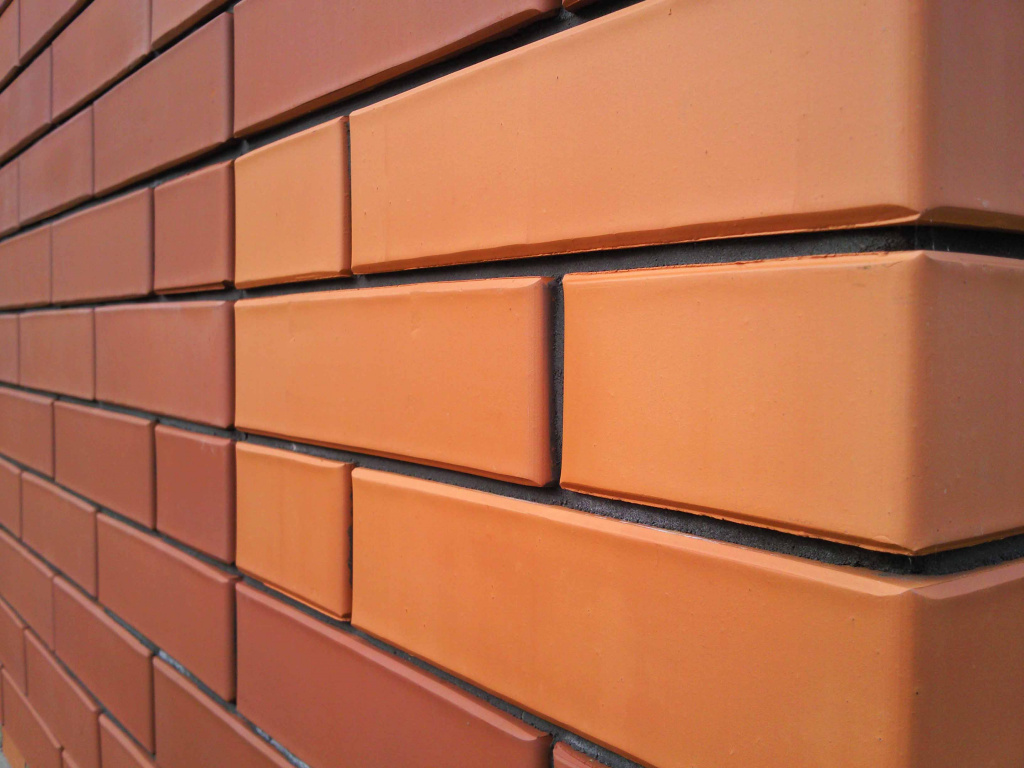
Thanks to the use of this material, an original design is achieved. Facing bricks are available to the user in the following varieties:
Porcelain stoneware
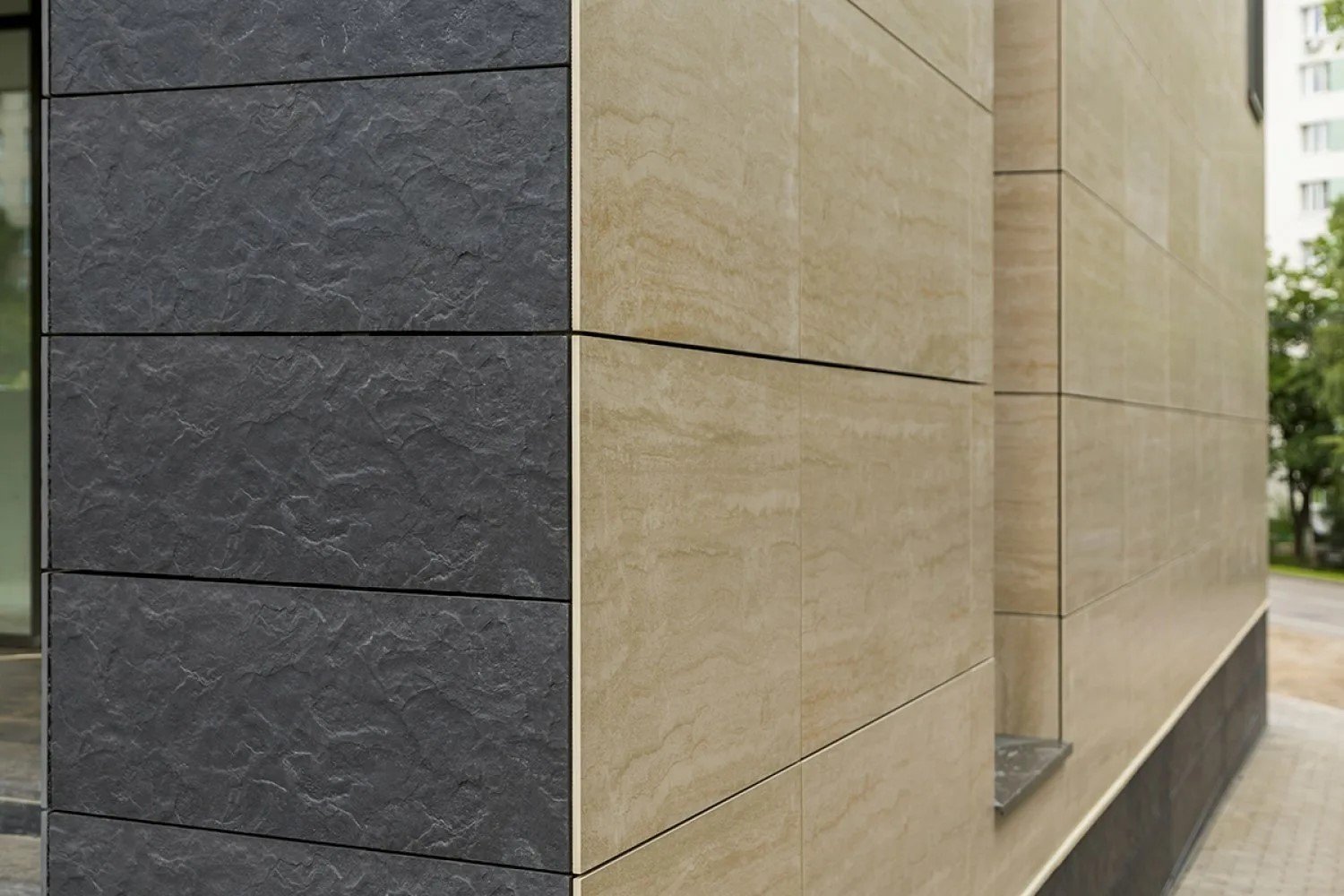
The technological composition of this material includes clay and quartz sand. Feldspar is considered an additional element. In the process, the brick undergoes semi-dry pressing, as a result of which the material is actually similar in its characteristics to natural stone.
Natural and artificial stone
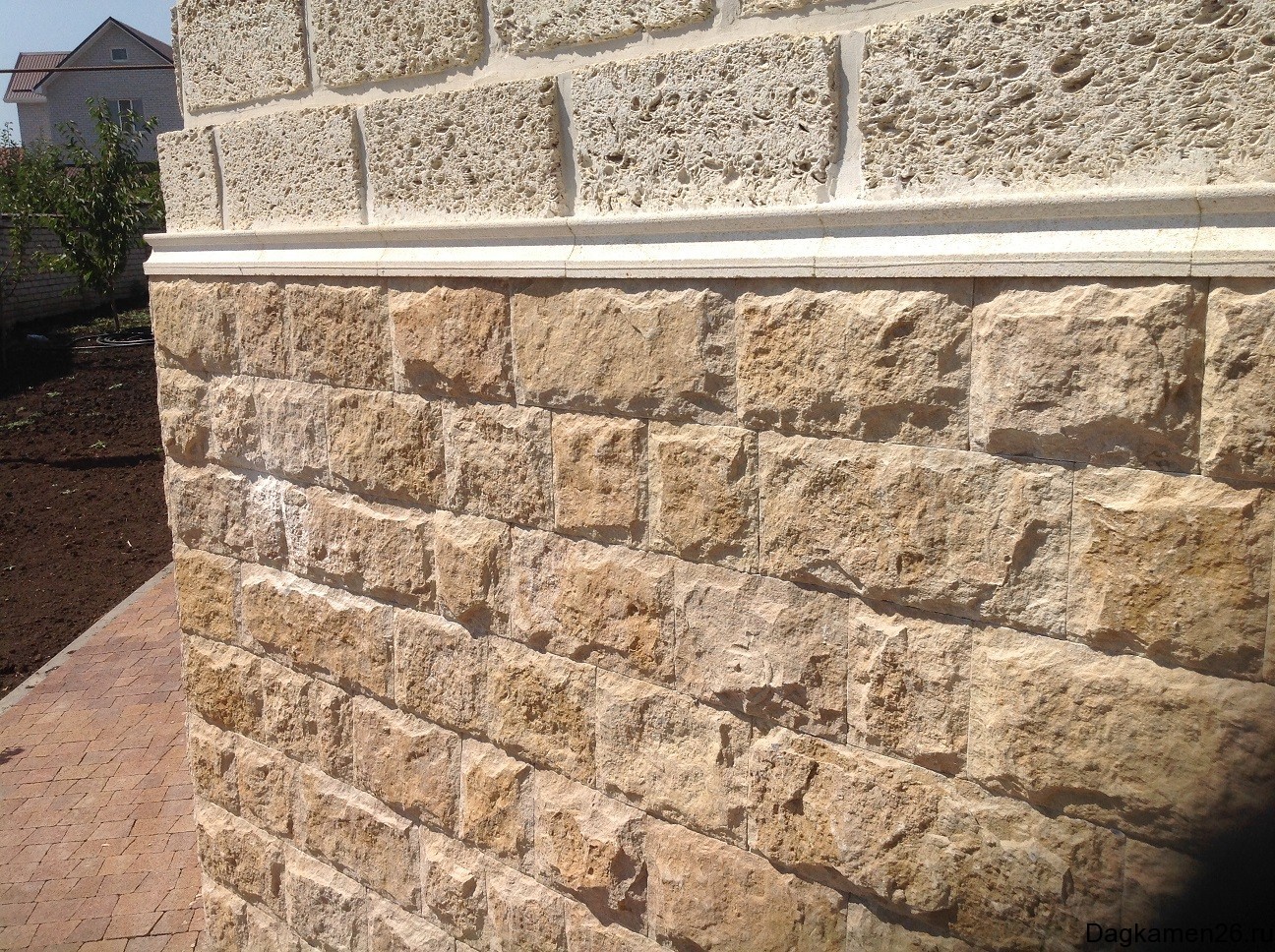
Extremely durable and wear-resistant material. During operation, it perfectly withstands temperature differences, is not subject to mechanical stress, and also has high environmental properties. The surface of the facade treated with stone always looks stylish and elegant.
Decorative siding
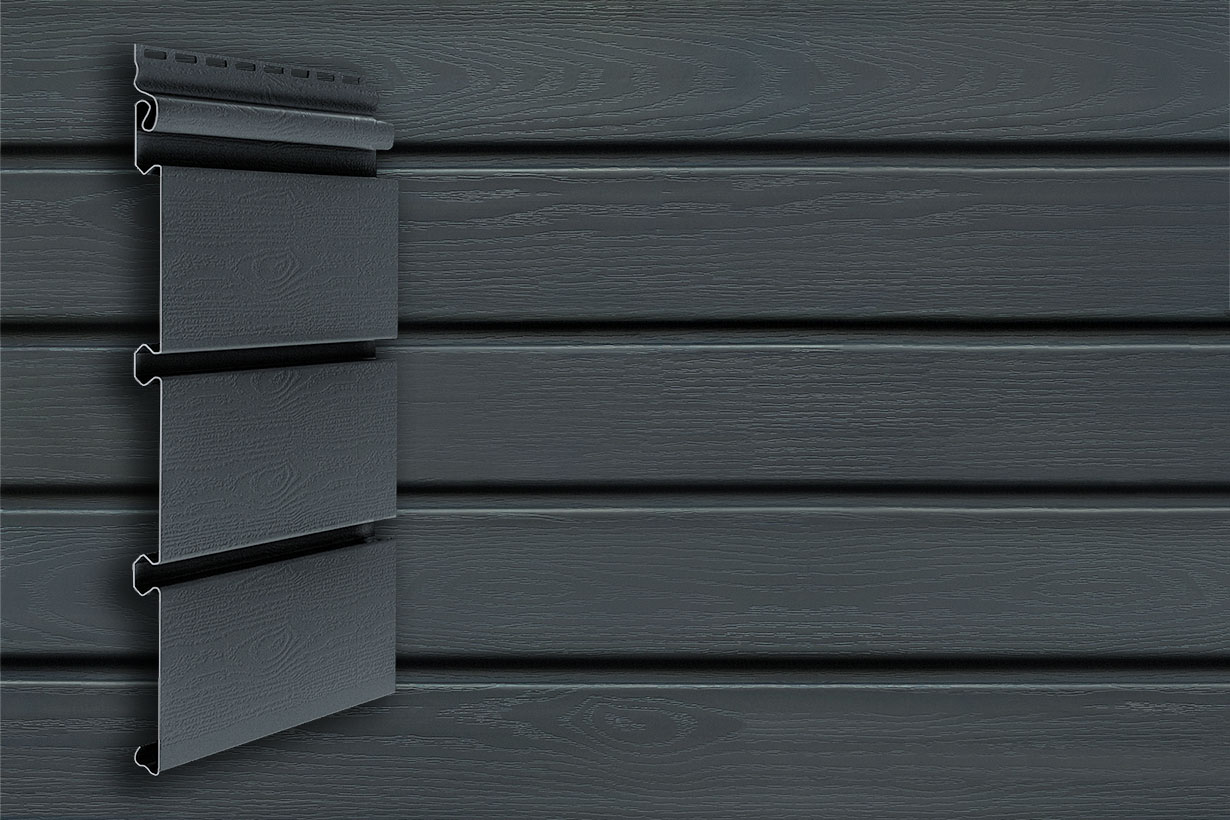
This modern economical material is distinguished by an ideal price-quality ratio. Provides high thermal insulation performance, is available in a large assortment of raw materials used in production. For cladding facades, you can buy vinyl, wood, metal or cement siding.
For ventilated cladding options, facade sandwich panels are used. Structurally, they consist of several layers, which include various types of insulation.